Magic Muse · 2 min read
Catherine Gomersall Needs Therapy
Humour and the Emotional Work of a Face
By Dr Catherine Gomersall
Adapted from Chapter 2: Catherine Gomersall Needs Therapy
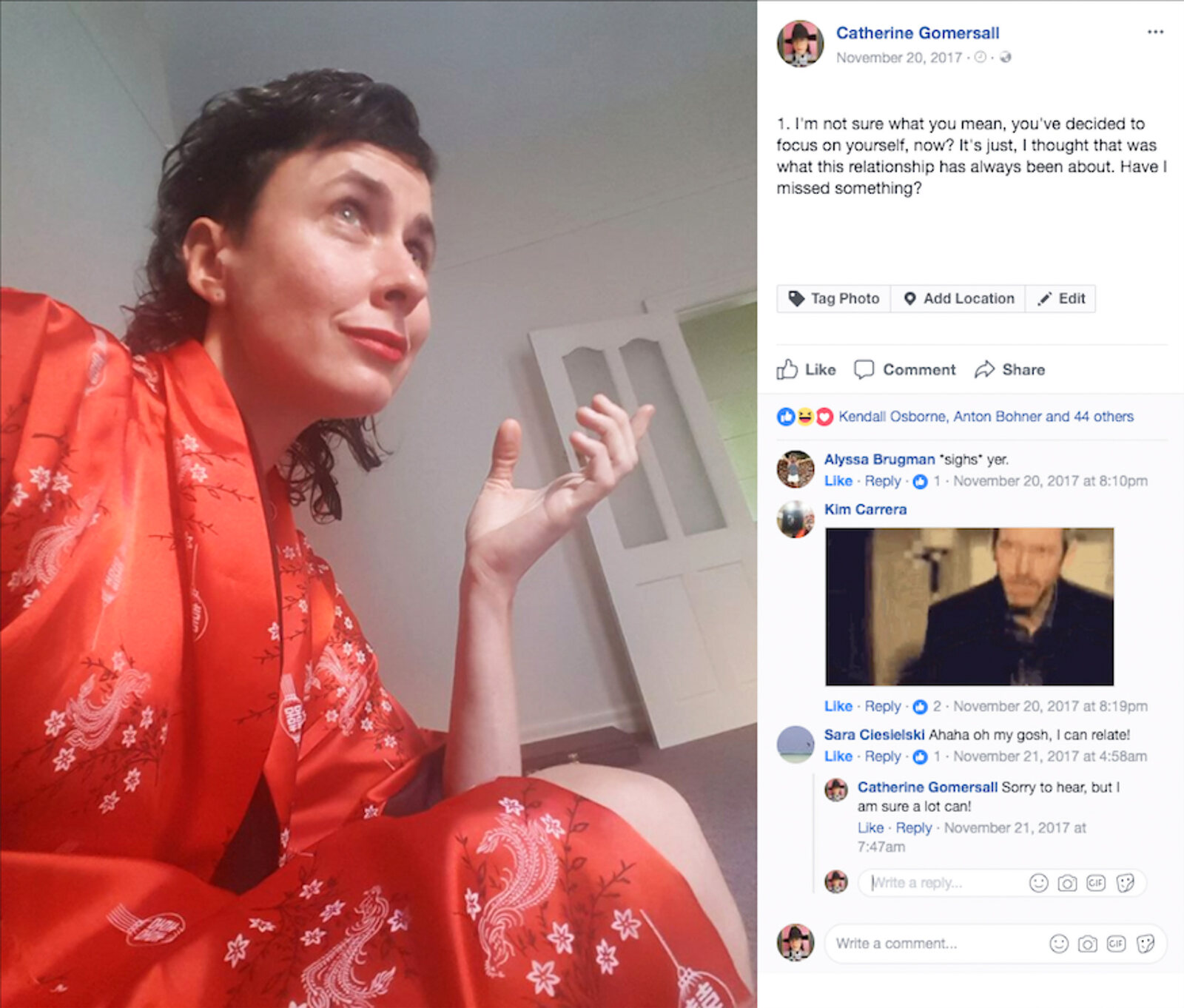
A face can say what a polite conversation leaves unsaid. A raised eyebrow, a grimace or a moment of disbelief can hold the response that never quite reaches the room.
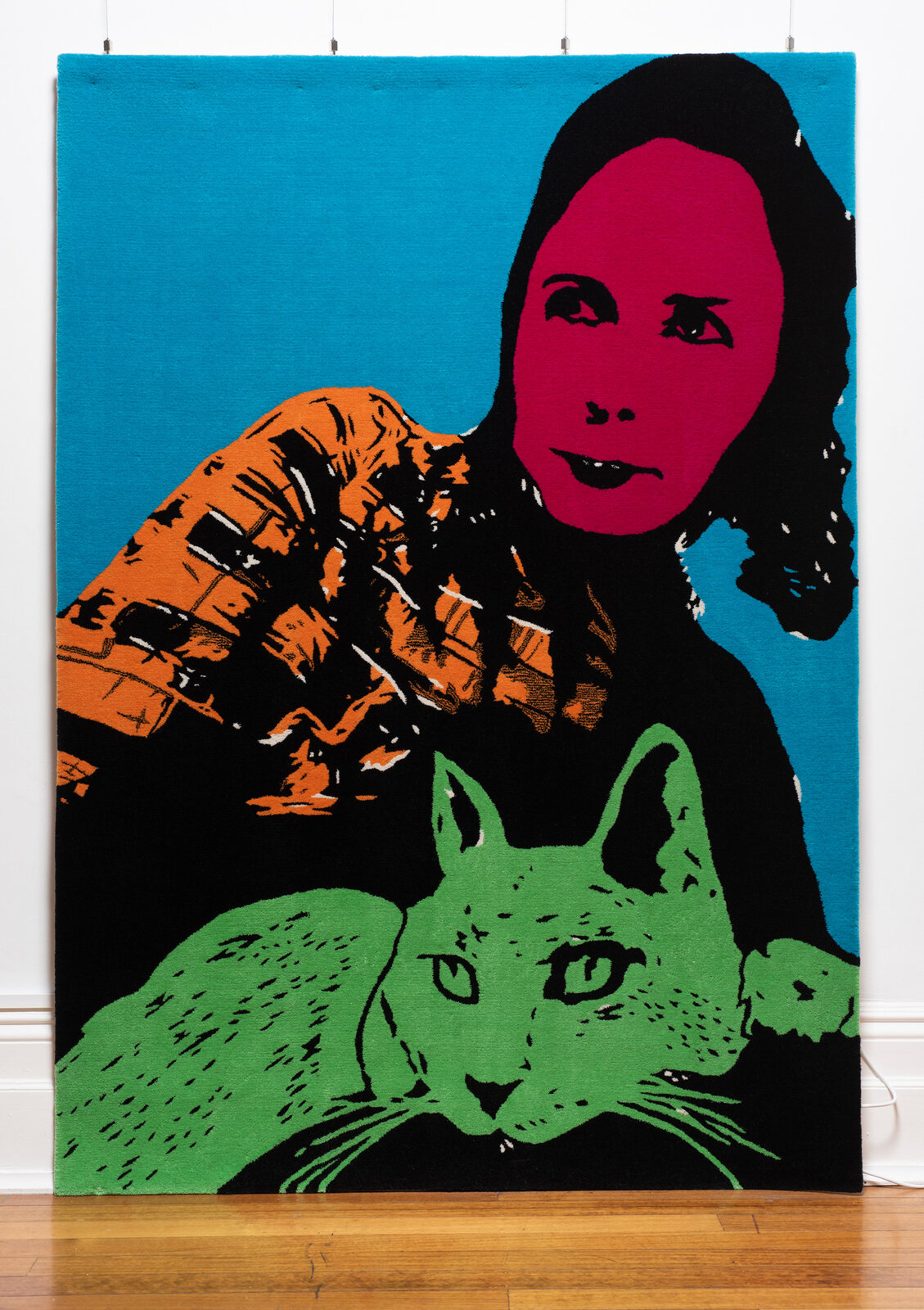
In Catherine Gomersall Needs Therapy, I turned those responses into self-portraits. The work grew alongside a period of counselling and recovery, when I was becoming more attentive to the relationship between past hurt and everyday encounters.
Some comments arrive casually but stay with us. They may be absurd, dismissive or so confidently delivered that responding feels like another task we have been assigned. I began making expressions in response to that language.
Letting the response become visible
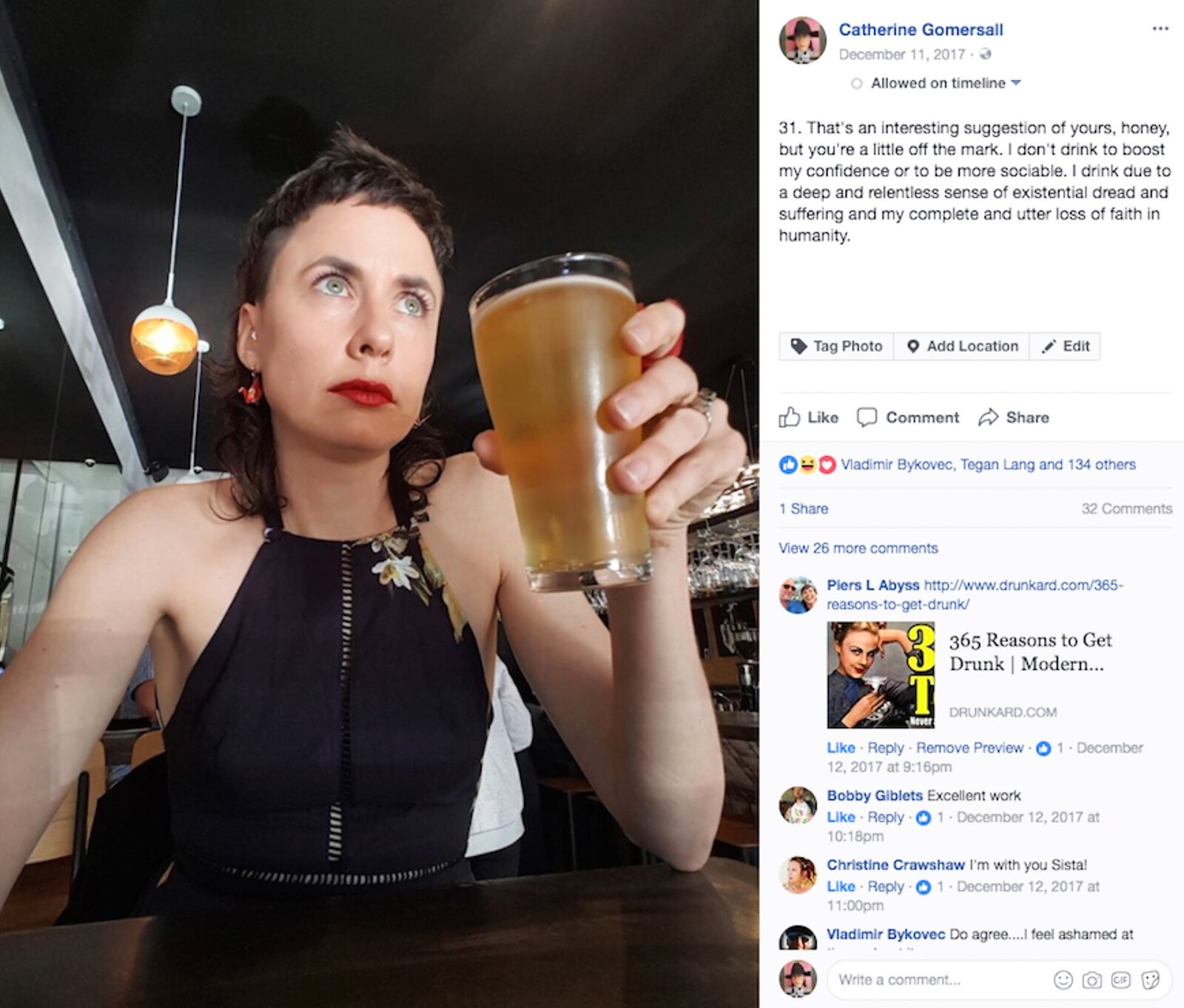
The photographs gave my reactions a form. Paired with captions, they created a conversation between what had been said and what my face could say back.
Unlike projects in which I inhabited a distinct persona, here I was working with myself more directly. The material was my own expression: the body registering an encounter, the face holding an answer.
There is something deceptively simple about this. A photograph of an expression can appear immediately accessible. Yet behind that expression sits the emotional work of listening, managing a reaction and deciding what can safely be shown.

The project moved that work into view. Instead of quietly absorbing a comment, I could make an image that registered its effects and questioned its assumptions.
The usefulness of absurdity
Humour offered a different way of approaching difficult material. It did not require every image to explain the whole history from which it emerged. A small, sharp response could stand on its own.
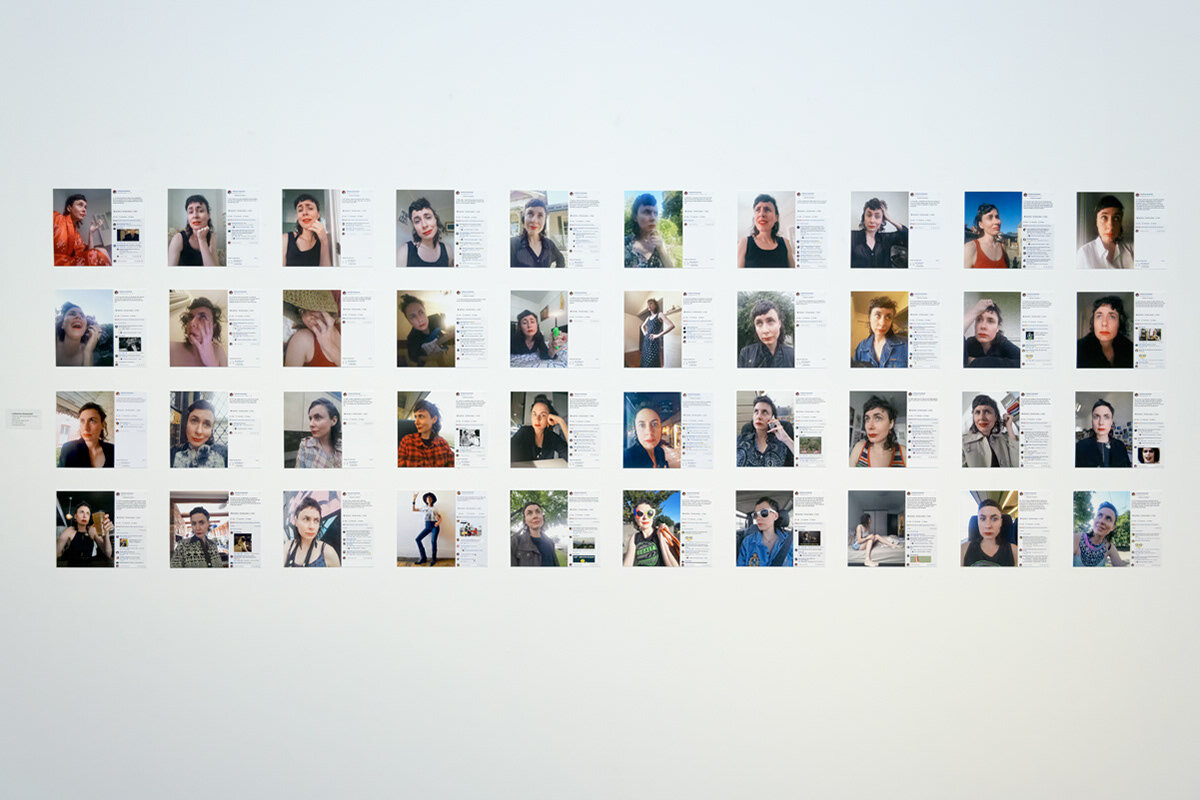
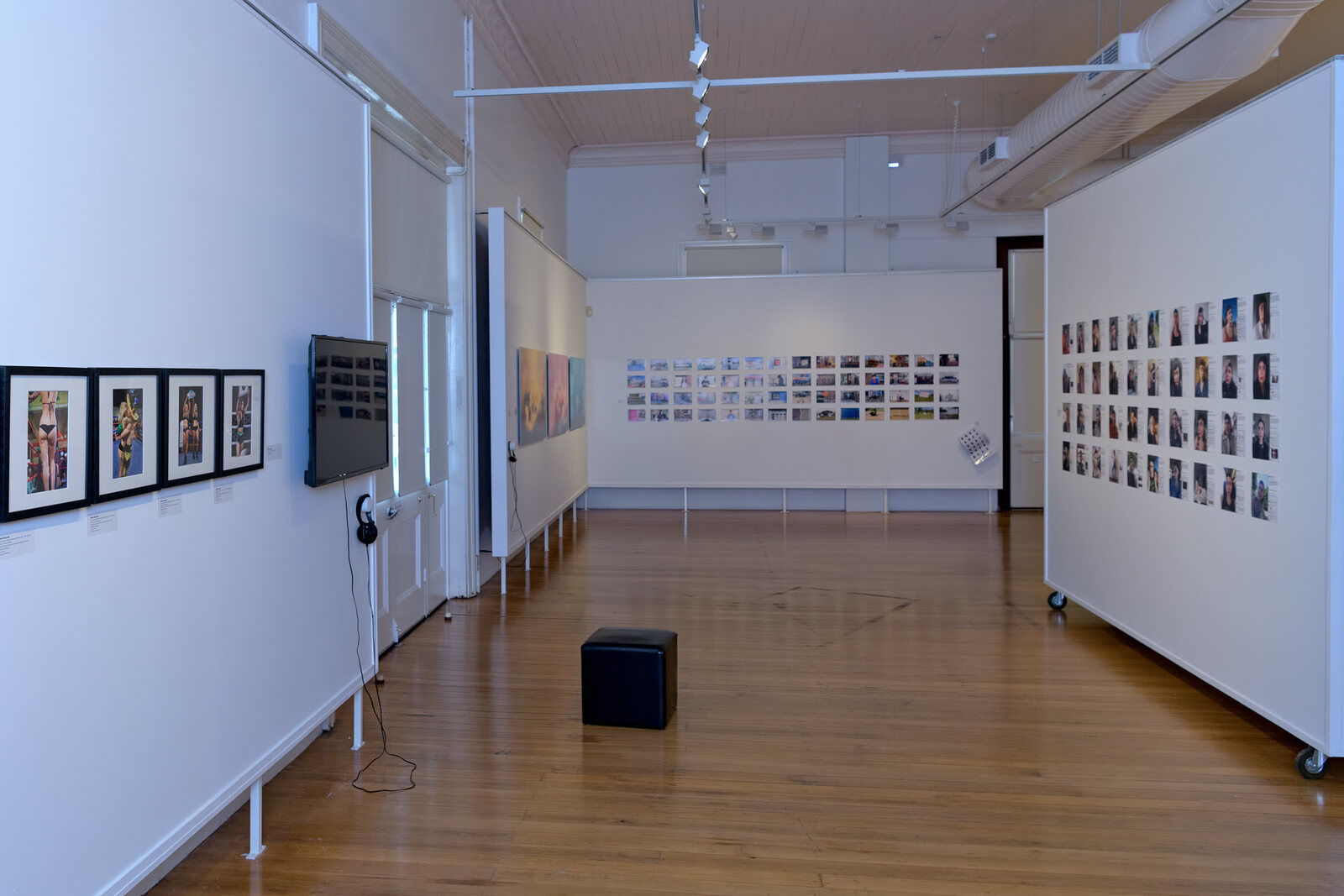
Presented together, the portraits also accumulated. One expression might be amusing; a grid of expressions suggested repetition, the ongoing labour of navigating other people's expectations.
The title opened another tension. What does it mean to be told that you need therapy, and who gets to decide whether your response is reasonable? The work could sit beside my actual experience of counselling while questioning the casual use of that phrase as a judgement.
These photographs were not a substitute for care. They were part of an artistic practice in which I could give shape to things I had struggled to articulate.
Sometimes reclaiming a voice begins with a sentence. Sometimes it begins with a face that refuses to pretend the sentence never happened.
Gallery
From the project