Magic Muse · 2 min read
Tinder Machina
When Intimacy Becomes an Interface
By Dr Catherine Gomersall
Adapted from Chapter 1: Tinder Machina
Tinder Machina began with a question about my own relationships. As I worked, that question widened: how much of what I had experienced was being repeated, encouraged and normalised by the technologies through which we seek connection?
The dating app offered an apparently simple language. Yes or no. Left or right. A photograph, a short description, a decision. Human complexity was compressed into an interface that made choosing feel easy.
But a match could carry assumptions that I had never agreed to. Interest was sometimes treated as entitlement to my attention, emotional availability or body. The screen did not remove familiar power dynamics. It gave them another setting.
Performing the profile
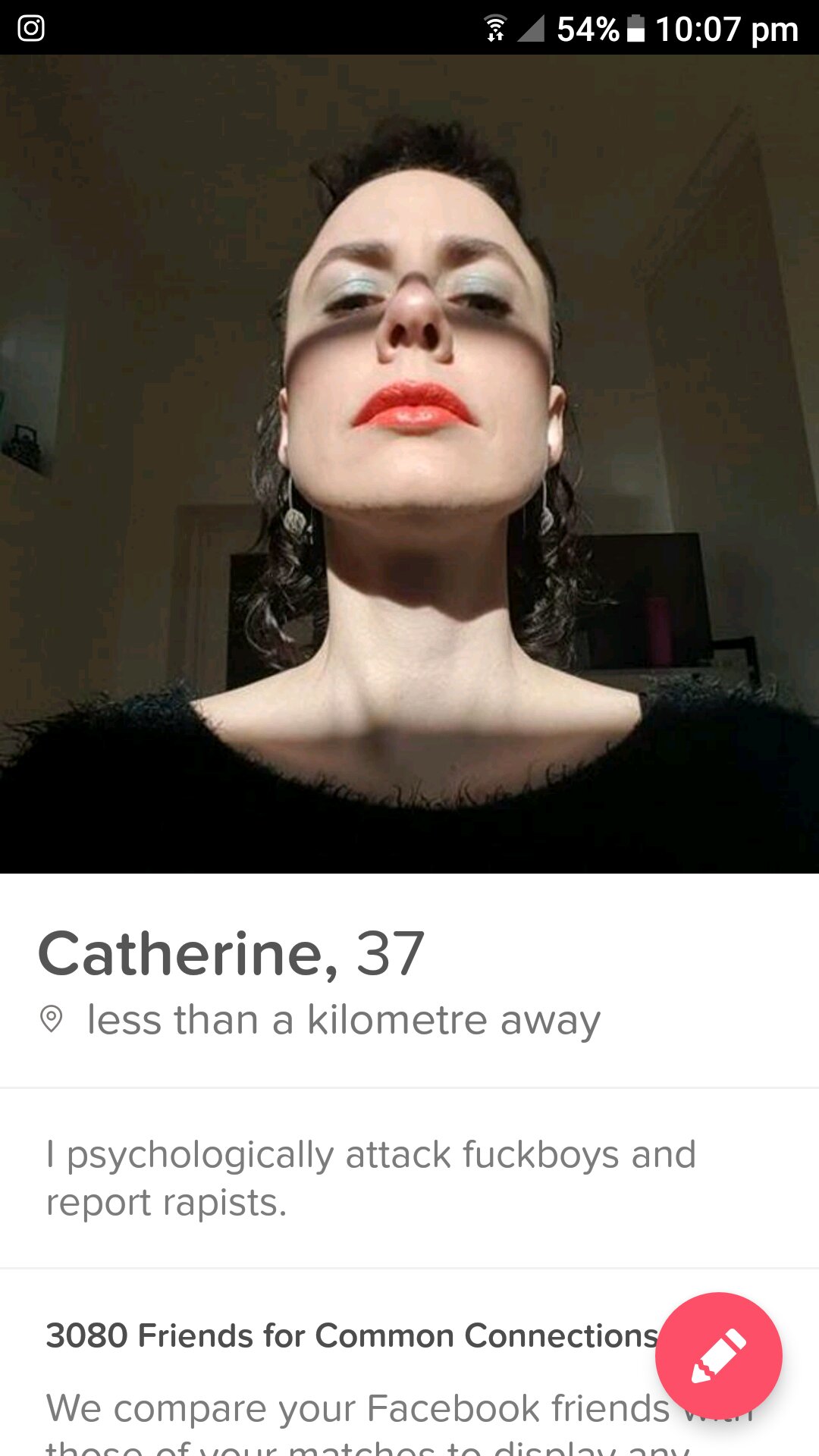
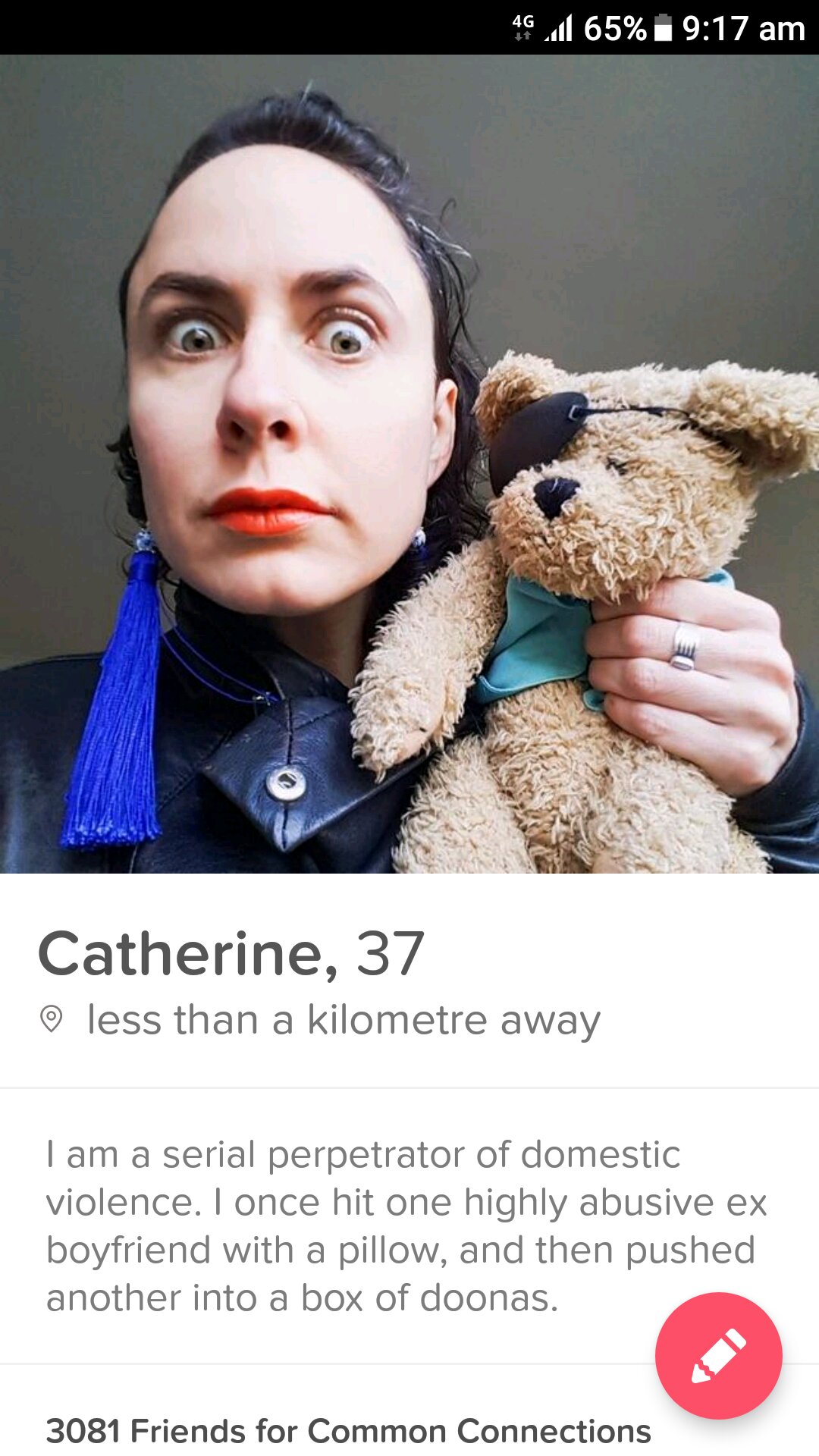
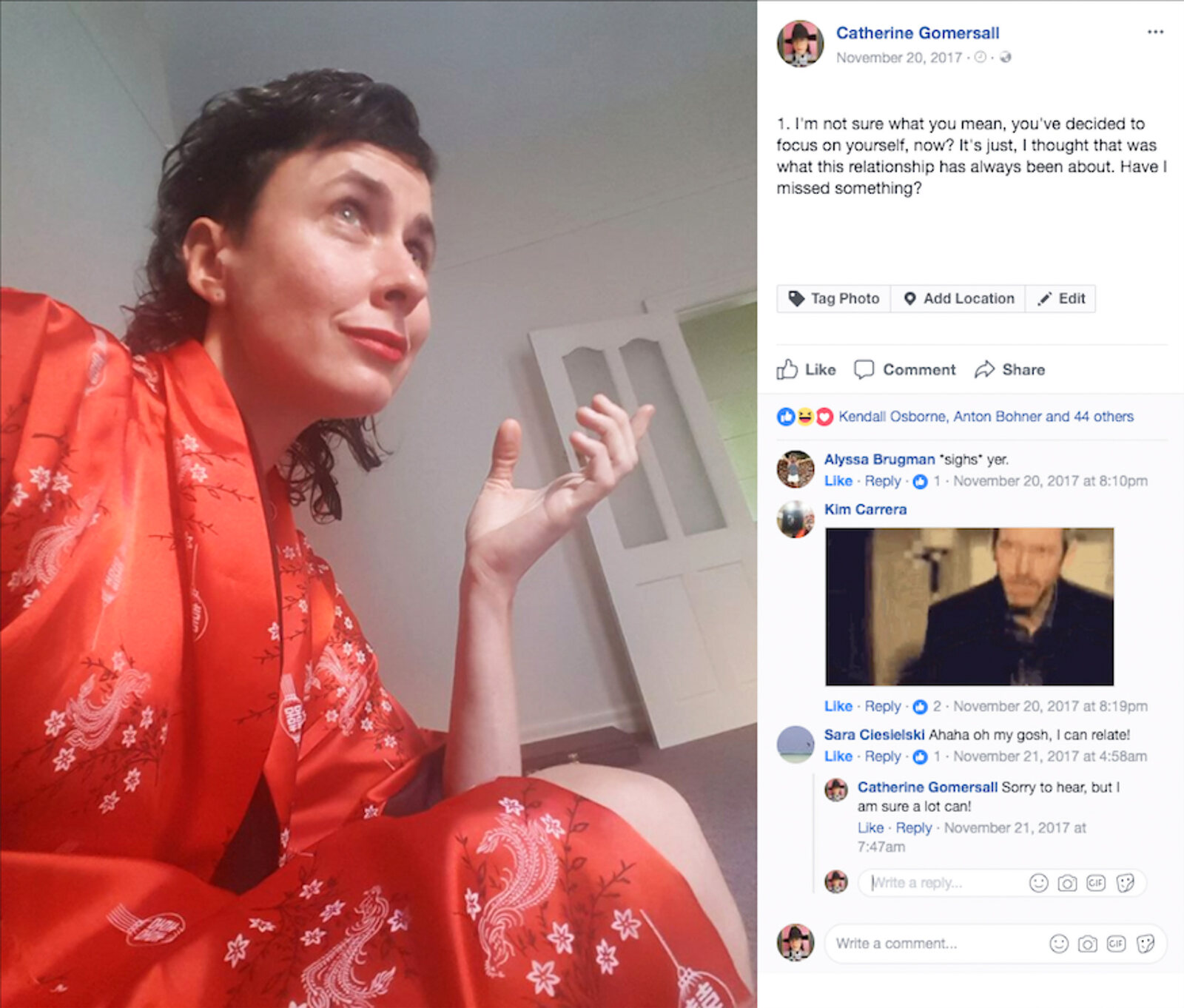
I responded through self-portraiture and performed identities. Rather than allowing the profile to become a straightforward claim about who I was, I used it as material. The image could exaggerate, interrupt or satirise what the interface seemed to expect.
Humour mattered. It gave me room to look at experiences that were painful without allowing pain to determine every aspect of their representation. The work could be funny and uncomfortable at once.

This was also an exercise in authorship. A dating profile invites other people to make quick interpretations. Making art through that form allowed me to examine the interpretation itself:
what does someone think they know when they have seen a photograph?
The person beyond the image
One of the difficulties of working in digital public space is that the artwork and the artist can be collapsed into one another. A performed identity may be read as a confession. Satire can be mistaken for an invitation.
Tinder Machina made those tensions visible. It showed me that visibility alone does not produce understanding, and that having an audience does not mean having control over how the work will be received.
The project began inside personal experience, but its questions belonged to a larger culture of mediated intimacy. What happens when connection is organised as selection? What gets lost when a person becomes a profile?
For me, making the work was a way of moving from being interpreted to participating in the interpretation. I could examine the machinery, perform within it and expose some of its assumptions. The interface became a place to make meaning, as well as a place where meaning was imposed.
Gallery
Tinder Machina — Profiles